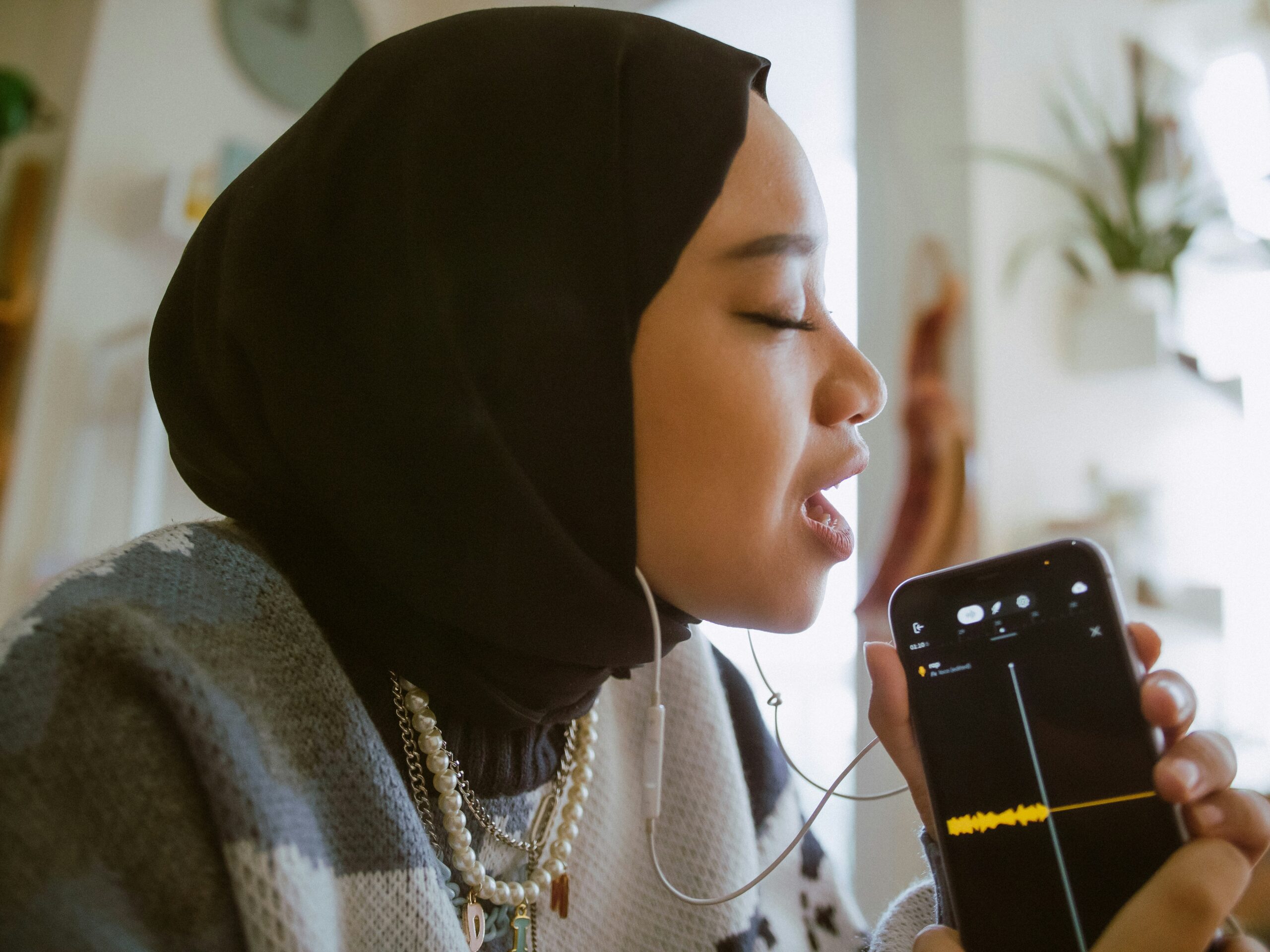
Introduction to Generative AI in Music
Generative AI has emerged as a transformative force within the creative landscape, particularly in the realm of music composition. By leveraging algorithms and machine learning techniques, generative AI tools can produce original musical content, challenging the conventional methods of music creation. These technologies analyze vast datasets of existing music, learning patterns, structures, and styles, which they then use to generate new compositions. This approach not only accelerates the music creation process but also inspires artists to explore innovative musical ideas that might have previously gone undiscovered.
One of the significant implications of generative AI in music is its ability to facilitate collaboration between artists and technology. Musicians are now able to utilize AI tools as creative partners, assisting in the brainstorming phase and providing fresh perspectives on melody, harmony, and rhythm. Furthermore, these tools allow for the customization of musical outputs, enabling creators to tailor compositions to their specific needs or preferences. This synergy between human creativity and AI-driven processes is expanding the horizons of what is achievable in music production.
The significance of generative AI in music creation extends beyond mere composition; it also raises intriguing questions about authorship and originality. As AI-generated music gains popularity, it challenges traditional notions of intellectual property and the creative process itself. Artists must navigate the balance between leveraging these advanced tools and maintaining their unique artistic voices. Consequently, the rise of generative AI heralds a new chapter in music-making, where the fusion of technology and creativity fosters unprecedented experimentation and innovation.
The Evolution of AI in Music
Artificial intelligence has gradually transformed various sectors, including the music industry. The journey of AI in music can be traced back to the 1950s when musicians and researchers began experimenting with algorithm-based compositions. Early initiatives, such as the work of Igor Stravinsky with computer-generated pieces, set the stage for future developments. While these early compositions were rudimentary and limited in scope, they laid the groundwork for understanding how algorithms could emulate creative processes.
In the following decades, the evolution continued with the advent of more sophisticated techniques. The 1980s marked a significant milestone with the introduction of MIDI technology and computer-assisted music production. This technological shift allowed for greater exploration of sound synthesis and artificial intelligence algorithms designed to compose music. These systems utilized rule-based approaches and Markov chains to generate melodies and harmonies, although the complexity and fidelity of the output were still nascent.
The turn of the millennium marked an explosion of interest in machine learning and neural networks. Researchers began harnessing these techniques to develop more advanced generative models capable of producing music that closely resembled human compositions. Notable milestones include the emergence of systems like Google’s Magenta and OpenAI’s MuseNet, which utilized extensive datasets to train AI in various genres and styles. These generative models showcased remarkable potential, creating original compositions that can evoke emotional responses akin to human artistry.
Today, AI continues to be a vital aspect of music creation, enabling artists and producers to experiment with sound in unprecedented ways. By integrating AI tools into their workflows, musicians can access innovative capabilities for inspiration and collaboration. As AI technology continues to evolve, its role in music creation is poised to grow, raising questions about creativity, authorship, and the future of the music industry.
DeepMind’s Generative AI Tools
DeepMind has made significant strides in the realm of generative AI, particularly in the music creation space. Their suite of tools is designed to enhance the compositional process by leveraging cutting-edge machine learning algorithms and vast datasets. One prominent feature of these tools is their ability to analyze existing musical compositions and generate original pieces that mimic established styles while introducing novel elements. Employing techniques such as reinforcement learning, DeepMind’s AI can be trained on diverse music genres, enabling it to develop a deeper understanding of various musical structures and motifs.
At the core of DeepMind’s generative AI technology is the Transformer model, which excels in handling sequential data. This architecture allows for nuanced pattern recognition, enabling the AI to produce coherent and contextually relevant musical segments. Unlike earlier iterations of music-generating software, which often relied on simplistic rule-based systems, DeepMind’s tools can create compositions that exhibit greater complexity and emotional depth. This evolution showcases a transformative leap in generative AI capabilities, ultimately catering to both novice creators and seasoned music professionals.
One notable application of DeepMind’s generative AI tools can be observed in the collaboration with professional musicians. For instance, the use of AI-generated melodies has been successfully integrated into contemporary music productions, allowing artists to explore new creative avenues. In a specific project, musicians utilized the AI to generate unique chord progressions, which were then further developed into full tracks. This case serves as a testament to the potential of generative AI in fostering collaboration between humans and machines, resulting in innovative musical creations that might not have been conceived otherwise.
Through continuous advancements, DeepMind’s generative AI tools are redefining the landscape of music creation, offering fresh resources and perspectives for artists eager to push the boundaries of their craft.
Impact on Music Composition and Production
Generative AI tools are significantly transforming the landscape of music composition and production, offering innovative methods to enhance the creative process. One of the primary benefits of these tools is their ability to increase efficiency. Musicians and producers can leverage AI algorithms to streamline various aspects of their workflow, from algorithmic composition to sound design. This can result in reduced time spent on drafting initial ideas, allowing artists to focus more on refining their vision and less on the repetitive aspects of arrangement.
Moreover, generative AI enables the creation of unique sounds that would be difficult, if not impossible, to achieve through traditional methods. By analyzing vast datasets of music, AI can generate novel musical phrases, harmonies, and timbres, providing artists with a plethora of options to explore. This innovative approach leads to fresh and exciting musical ideas, enhancing the overall diversity of sound in contemporary music. As artists experiment with these generative tools, they often discover combinations and textures that inspire new directions in their work.
The collaboration between humans and machines is another aspect that further enriches the music-making process. AI can serve not only as a tool but also as a creative partner, prompting artists to rethink their songwriting techniques. For instance, some musicians use AI to overcome creative blocks, allowing the technology to suggest new melodies or lyrics. This partnership fosters an environment of experimentation, encouraging musicians to expand their artistic boundaries and embrace unconventional ideas. As generative AI continues to evolve, the potential for groundbreaking collaborations between human creativity and artificial intelligence will likely yield even more innovative outcomes in music composition and production.
Ethics and Considerations in AI Music Creation
The advent of generative AI tools in music creation has opened a myriad of possibilities for composers and artists, but it also raises significant ethical implications that merit careful consideration. One of the primary concerns revolves around issues of copyright and authorship. In traditional music creation, the composer holds the copyright to their original works, but the introduction of AI complicates this model. When an AI generates a piece based on training data from existing songs, questions arise regarding who owns the copyright to that piece. Is it the programmer, the user who initiated the generation, or the AI itself? These questions are pivotal as they redefine the parameters of intellectual property in the digital age.
Additionally, the rise of AI-generated music presents challenges for human musicians. There is a palpable fear within the artistic community that AI could eclipse human-created works, potentially diminishing opportunities for traditional artists. As AI tools become more sophisticated, there is a concern that the unique nuances of human creativity may become overshadowed by algorithmically produced compositions. Striking a balance between AI-generated music and human creativity is crucial to ensuring that the integrity of artistic expression is maintained.
Moreover, considerations surrounding the cultural impact of AI-generated music are significant. AI systems learn from vast datasets that can include culturally rich music, raising concerns that these tools may inadvertently appropriate existing styles without proper acknowledgment. This cultural appropriation, even if unintentional, begs the question of ethical responsibility in the creation and dissemination of AI-generated music. By establishing guidelines that delineate the use of AI in music creation, it is possible to foster a collaborative environment where human musicians and AI can coexist, contributing to an enriched musical landscape rather than one overshadowed by technology.
Real-world Applications and Collaborations
In the evolving landscape of music creation, generative AI tools have emerged as valuable assets for artists, producers, and music companies. These innovative technologies provide new avenues for creativity, enabling musicians to explore sounds and compositions that were previously unattainable. Notably, collaborations between human musicians and AI systems have yielded remarkable results, showcasing the transformative potential of these tools.
A prime example of such collaboration is the partnership between the British musician and producer Brian Eno and Google’s DeepMind. In this project, Eno utilized an AI algorithm developed by DeepMind to generate ambient music. This initiative epitomizes how generative AI can assist artists in their creative processes by providing fresh soundscapes, thereby extending the traditional boundaries of music composition. The result was an album titled “Music for Machines,” which effectively demonstrated the synergy between human creativity and AI-generated outputs.
Furthermore, the company OpenAI has also made significant strides in music generation with its model, MuseNet. MuseNet is capable of producing compositions in various styles, from classical to contemporary pop. Collaborating with artists, it has fueled new musical ventures by offering unique compositions that musicians can then refine and personalize. This kind of partnership not only speeds up the songwriting process but also inspires musicians to take risks and experiment with different genres.
<pMoreover, numerous startup companies are emerging in the music technology domain, creating platforms where artists can interact with AI for music production. For instance, platforms such as Aiva and Amper Music empower users to generate personalized soundtracks for their projects. Here, users can either input parameters to guide the AI or allow it to autonomously create music based on preferred styles. These developments highlight the rising trend of generative AI serving as a co-creator, complementing the artistic vision of musicians.
Collectively, these examples illustrate the practical applications of generative AI tools within the music industry. As technological advancements continue, it is likely that we will witness even more pioneering collaborations that redefine how music is created and experienced.
The Future of AI in Music
The landscape of music creation is undergoing a significant transformation, driven by advancements in artificial intelligence (AI) technology. As we look towards the future, it is evident that AI will play an increasingly pivotal role in shaping both the production and consumption of music. One primary trend is the rise of AI-driven music generation tools that enable artists to explore novel soundscapes and create compositions that were previously unattainable. These tools can analyze vast datasets of existing music to generate new pieces, potentially leading to an explosion of creative diversity.
Furthermore, the evolving role of musicians in this AI-enhanced environment is a critical consideration. Instead of completely replacing human creativity, AI is more likely to serve as a collaborative partner for artists. Musicians may find themselves leveraging AI tools to enhance their work, allowing them to focus on composition and performance while utilizing algorithms to aid in arrangement, mixing, and mastering processes. This collaborative approach could lead to a new genre of music that combines human emotion with AI’s analytical capabilities, establishing a unique sound for future generations.
Moreover, the integration of AI into music creation may radically reshape the listening experience for consumers. Personalized music recommendations powered by AI algorithms could curate playlists tailored to individual preferences, based on listening habits and emotional resonance. This level of customization, combined with real-time adaptability, offers an exciting glimpse into how music may be consumed, making it more dynamic and interactive than ever before.
As we embrace these advancements, ethical considerations will inevitably arise. The implications of copyright, ownership, and the authenticity of music created in collaboration with AI must be carefully examined. The future of AI in music will undoubtedly be transformative, fostering innovative sounds and redefining the artistic process while navigating the complexities inherent in this evolution.
Getting Started with Generative AI Tools
As the landscape of music creation evolves, integrating generative AI tools can significantly enhance the creative process for musicians and producers. The first step in getting started with these innovative technologies is to identify and select the appropriate AI tools that align with your musical goals. There are numerous platforms available that offer generative AI capabilities, such as OpenAI’s MuseNet, Amper Music, and AIVA. Each of these tools provides unique features, so exploring their capabilities and understanding how they work will be beneficial for your workflow.
Once you have chosen a generative AI tool, the next step is to access it. Many AI music platforms offer user-friendly interfaces that allow users to experiment with various settings and parameters easily. Creating an account on these platforms often unlocks a suite of features and resources that can expedite the learning process. For those who prefer hands-on experience, tutorials available on these sites provide insight into using the software effectively.
Integrating AI into your creative process requires a blend of experimentation and intention. It is recommended to start by incorporating AI-generated elements into existing compositions. For example, you might use an AI tool to generate chord progressions, melodies, or rhythmic patterns, which you can then modify and enhance with your unique style. This approach allows musicians to leverage the strengths of AI while retaining their artistic voice.
To further your understanding of generative AI in music, consider delving into online educational resources, such as courses, webinars, and forums dedicated to this subject. Engaging with a community of like-minded individuals can provide invaluable insights and foster collaboration. Ultimately, embracing generative AI in music creation can open new avenues for innovation and creativity, making it an exciting frontier for artists everywhere.
Conclusion and Call to Action
Throughout this exploration of new generative AI tools in music creation, we have examined the significant impact these technologies have on the music industry and the creative process. Generative AI is not merely a trend; it represents a paradigm shift in how music is produced and consumed. From automating composition to facilitating innovative songwriting techniques, these tools empower artists to bypass traditional constraints, enabling them to focus on the artistry of music creation.
The advent of generative AI has opened avenues for collaboration between humans and machines, allowing musicians and composers to experiment with new sounds and techniques. As a result, artists can explore an expanded creative landscape, where they can harness AI as a virtual collaborator. This is particularly beneficial in expanding genres, blending styles, and pushing the boundaries of musical expression.
As we stand on the brink of this transformative era, it is essential for creators, both seasoned and aspiring, to embrace the potential of generative AI tools. These tools not only enhance productivity but also provide an innovative means to inspire creativity. Artists are encouraged to explore various platforms and applications that incorporate these technologies, as this will enable them to integrate fresh perspectives into their work. Furthermore, engaging with these tools can inspire a deeper understanding of music theory and composition techniques.
We invite you to delve into the world of generative AI in music creation. Experiment with different tools, share your experiences, and join a community of like-minded individuals who are navigating this exciting landscape. Your insights and discoveries could contribute significantly to the dialogue on how generative AI shapes the future of music. Together, we can unlock new possibilities and redefine what it means to create music in the 21st century.
</p