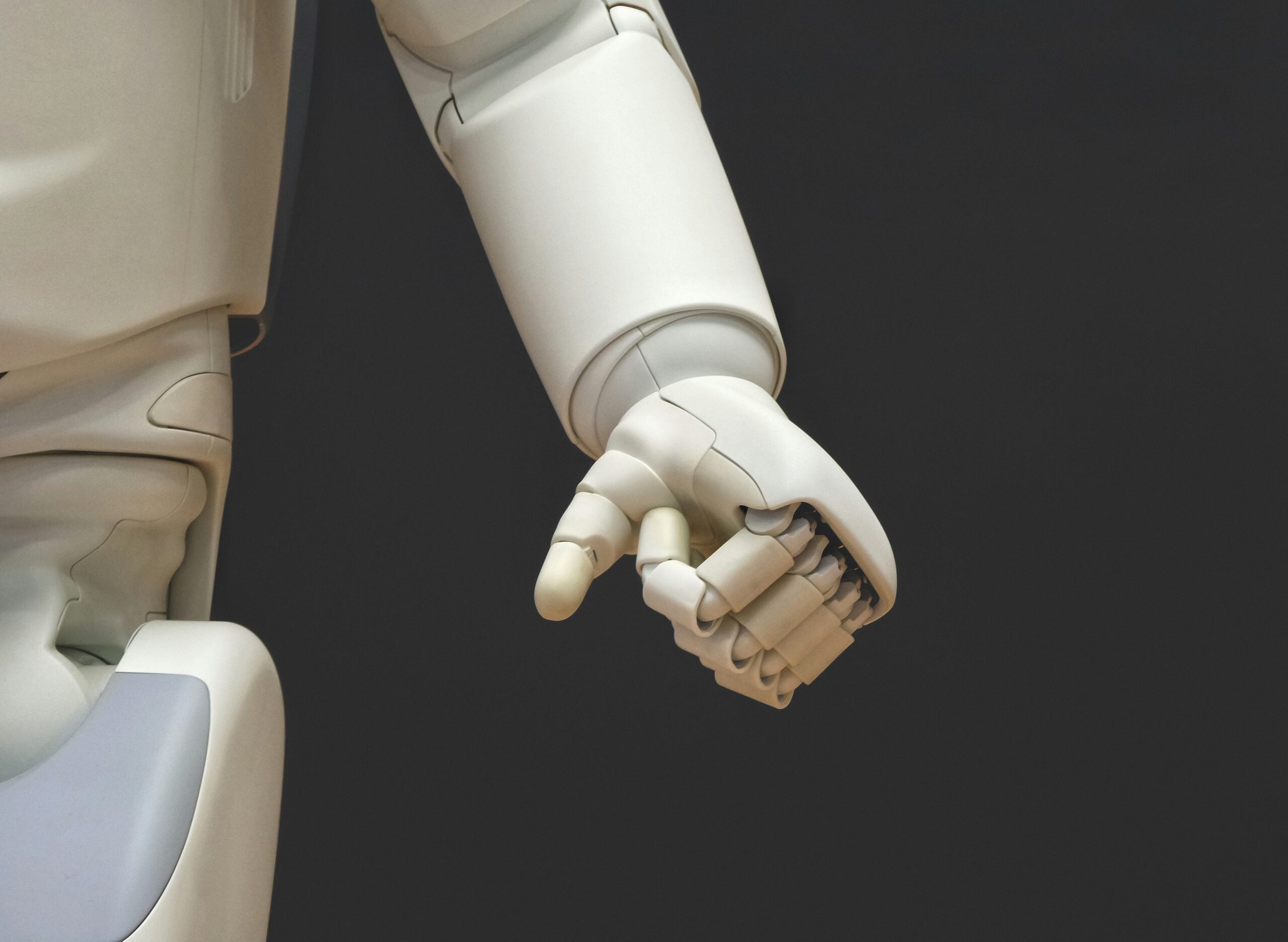
Introduction to Tesla’s Optimus Robot
In 2021, Tesla made a significant foray into the field of robotics with the introduction of the Optimus robot, aimed at revolutionizing the concept of humanoid machines. This initiative arose from Tesla’s ongoing mission to create innovative solutions that integrate advanced technology into everyday life. During the company’s annual AI Day event, Elon Musk unveiled the Optimus robot, capturing a great deal of attention from both the public and industry experts. The demonstration highlighted the robot’s potential capabilities, including the ability to perform a variety of tasks that would assist individuals in their daily routines.
The excitement surrounding the Optimus robot stemmed from more than just its impressive technological features; it resonated with a broader vision of a future where humanoid robots coexist alongside humans. Elon Musk articulated his vision of the Optimus robot as not just a novelty but as a labor force that could alleviate labor shortages and significantly enhance productivity across various sectors. In this regard, Tesla’s dive into robotics is framed as a natural extension of its overarching goal to create technologies that enhance daily life, similar to what it has accomplished with its electric vehicles.
Skepticism regarding the viability of such an ambitious project has been prevalent among experts and enthusiasts alike. Nonetheless, Tesla has consistently said that the development of the Optimus robot combines cutting-edge artificial intelligence with physical robotic design. This venture is poised to address labor-intensive tasks, ultimately freeing humans to pursue more creative or complex endeavors. As we further explore Tesla’s Optimus robot, we will examine the strides made since its inception, challenges faced along the way, and the potential implications of its integration into society.
The 2021 Unveiling: Initial Hurdles
In August 2021, during Tesla’s AI Day, the company unveiled its ambitious project: the Optimus robot. While this announcement generated considerable excitement, it also laid bare several challenges that Tesla needed to confront. One notable moment during the presentation was the introduction of a person in a suit, mimicking the capabilities they aimed to implement in the robotic platform. This choice raised eyebrows and led to mixed reactions, casting doubts on the genuine technological advancements Tesla had made at that point.
The public perception of the unveiling was divided. On one hand, some industry enthusiasts and supporters regarded the event as a critical moment for robotics, demonstrating Tesla’s foray into fields beyond electric vehicles. However, others perceived the choice of a human demonstrator as a stark indication of the limitations still faced by the existing technology, contrasting sharply with the company’s lofty ambitions. This skepticism was not without foundation, as the technology needed to realize a fully autonomous and functioning humanoid robot entailed overcoming significant hurdles in artificial intelligence, biomechanics, and real-world integration.
Technological limitations stood at the forefront of the Optimus project. The gap between what Tesla aspired to achieve and what was practically feasible at the time became apparent. With robotics requiring not only advanced AI-driven capabilities but also intricate hardware design, the challenges were immense. Despite showcasing various robotic technologies, it became evident that delivering a humanoid robot capable of performing complex tasks would require extensive research, development, and testing. As such, optimistic projections surrounding the timeline for a working model faced scrutiny, and a clearer understanding of the necessary steps forward emerged as a critical need for the project’s success.
Developments in 2022: Hardware Progress
In 2022, Tesla made significant strides in the development of its Optimus robot, focusing primarily on hardware enhancements aimed at transforming the conceptual vision into a tangible product. The company introduced several new features that were intended to improve the robot’s efficiency and functionality. Among these advancements were new actuators, improved battery systems, and sophisticated sensory equipment designed to facilitate complex movement and real-world interaction. However, while hardware updates showcased the potential of the Optimus robot, they were not without limitations.
Despite the optimism surrounding these developments, Tesla faced considerable challenges in achieving the desired functionality of the robot. Many engineers within the company expressed concerns regarding the integration of hardware components, particularly as it relates to the optimization of algorithms necessary for intelligent operations. The complexity of ensuring fluid and adaptable movement within varied environments remained a daunting obstacle. For instance, enhancing the robot’s dexterity required not only advanced mechanical components but also effective software solutions to interpret sensory data, which was still a work in progress.
Moreover, the ambitious timeline set by Tesla for delivering a production-ready model added pressure to their engineering teams. As the year unfolded, it became evident that while hardware advancements were noteworthy, they did not immediately translate into practical applications. Several prototypes were tested, revealing inefficiencies that needed rectification before the Optimus robot could truly perform autonomously in everyday settings.
This combination of hardware expertise and the necessity for sophisticated software integration framed Tesla’s 2022 journey. Engineers worked tirelessly to bridge the gap between concept and operational functionality, underscoring the innovative spirit that drives Tesla but also the inherent challenges of pioneering robotics technology.
Technological Breakthroughs in 2023
The year 2023 has marked a pivotal moment in the evolution of Tesla’s Optimus robot, showcasing a series of technological breakthroughs that have significantly enhanced its capabilities. At the core of these advancements is the progressive development in artificial intelligence (AI) and machine learning. These technologies have empowered the Optimus robot to perform a wider array of complex tasks, thus expanding its functional repertoire beyond what earlier models could achieve.
One of the most noteworthy improvements in 2023 has been the refinement of deep learning algorithms, which have enabled the robot to better understand and navigate its environment. This advancement has led to the implementation of more sophisticated sensory perception systems, allowing Optimus to recognize objects, interpret human commands, and autonomously adapt to varying operational contexts. For instance, the robot’s ability to assist in household chores has evolved, enabling it to comprehend intricate tasks such as cooking and cleaning with minimal human intervention.
Furthermore, Tesla’s ongoing investment in robotic dexterity and agility has been a significant factor in enhancing the operational capabilities of Optimus. The integration of advanced actuators and improved mechanical joints has allowed the robot to mimic human-like movements, facilitating more nuanced interactions with the world. As a result, Optimus can now execute actions that require precision and finesse, such as assembling components in a manufacturing environment or performing delicate handling tasks in domestic settings.
Additionally, advancements in natural language processing (NLP) have made significant strides in 2023, allowing for more seamless communication between humans and the robot. The introduction of conversational AI capabilities has enabled Optimus to understand context and nuance, fostering more intuitive interactions. By leveraging these technological breakthroughs, Tesla has not only pushed the boundaries of robotics but has also paved the way for future developments in automated assistance across various industries.
Key Features of the 2023 Optimus Robot
The 2023 generation of Tesla’s Optimus robot marks a significant advancement in robotics technology, incorporating several key features that enhance its functionality and applications across various industries. One of the most notable features is its ability for autonomous exploration. The 2023 Optimus can navigate through complex environments with minimal human intervention, enabling it to perform tasks in settings where traditional robots may struggle due to environmental unpredictability.
Moreover, the robot is equipped with advanced obstacle detection and navigation capabilities. Utilizing a combination of sensory technology and artificial intelligence, Optimus can identify and navigate around obstacles, making it efficient in cluttered or dynamic environments, such as warehouses or manufacturing floors. This ability not only increases operational efficiency but also ensures a safer working environment for human counterparts, as the robot can adjust its course in real-time to avoid collisions.
An additional feature that enhances the 2023 Optimus is its capacity to climb stairs. This capability is particularly impactful for industries that require mobility across multi-level structures, such as logistics and healthcare. The ability to ascend and descend stairs means that the robot can deliver goods or perform tasks on different floors, significantly broadening its range of potential applications.
Furthermore, the Optimus robot has been designed to carry heavy payloads, showcasing its strength and utility. This feature allows it to assist in labor-intensive tasks, such as carrying materials in construction or delivering supplies in a hospital setting. The combination of strength, mobility, and intelligent navigation positions the 2023 Optimus as an essential tool for various sectors, potentially transforming operational efficiencies and redefining workforce dynamics.
Autonomous Navigation and Neural Networks
The Optimus robot, Tesla’s foray into the realm of humanoid robots, demonstrates impressive capabilities in autonomous navigation, which are underpinned by advanced neural networks. These neural networks act as the brain of the Optimus, processing vast amounts of data in real-time to navigate effectively in dynamic environments. By utilizing deep learning algorithms, the robot can interpret and understand its surroundings, much like Tesla’s autopilot system for vehicles.
At the core of this technology lies a sophisticated array of sensors and cameras that gather input from the robot’s environment. These components generate a multidimensional picture of the surroundings, allowing the Optimus to detect obstacles, identify safe pathways, and make complex decisions rapidly. The integration of these sensory inputs with neural network algorithms facilitates decision-making processes that are pivotal for successful navigation, as the robot can predict and respond to changes in its environment effectively.
Furthermore, the neural networks supporting the Optimus are designed to learn from a multitude of scenarios. This learning ability is what sets it apart from traditional robotic systems. By continuously refining its data processing capabilities, the Optimus can adapt to new environments or challenges as they arise. This adaptability echoes the features seen in Tesla’s autopilot technology, which also benefits from extensive data collection and real-world feedback to enhance its performance over time.
As Tesla continues to develop and refine the Optimus robot, its autonomous navigation capabilities are expected to evolve further. This evolution will not only highlight the potential for practical applications in everyday tasks but will also underscore the fundamental synergy between artificial intelligence, robotics, and Tesla’s groundbreaking innovations in vehicular technology.
Implications for the Future of Robotics
The advancements made in Tesla’s Optimus robot represent a significant leap in the capabilities and applications of humanoid robotics. These developments hold promise not only for the robotics industry but also for various businesses that can leverage such technology to enhance productivity and efficiency. As robots like Optimus are engineered to perform tasks ranging from mundane activities to complex problem-solving, industries such as manufacturing, logistics, healthcare, and customer service stand to benefit substantially from their integration into daily operations.
In manufacturing environments, for instance, humanoid robots can work alongside human workers, taking on repetitive and physically demanding tasks, thus allowing human employees to focus on more cognitive or supervisory roles. This collaborative approach could lead to a more optimized workflow, reducing operational costs and increasing output. Similarly, in logistics, robots could manage inventory and shipping tasks, drastically improving accuracy and speed in supply chain operations.
However, the introduction of humanoid robots into these sectors raises vital ethical considerations. As robots become more autonomous, questions surrounding job displacement and the ethical treatment of machines become paramount. Businesses must navigate these concerns delicately, ensuring that the integration of robots like Optimus does not lead to widespread unemployment but rather creates new job opportunities focused on robot maintenance, programming, and oversight. Furthermore, stakeholders will need to establish clear guidelines regarding the use of robots in customer-facing roles, addressing issues of privacy and data security.
Moreover, the societal impact of deploying autonomous robots in the workplace cannot be understated. Public perception will play a crucial role in the acceptance of these technologies. Widespread education on the benefits and limitations of humanoid robots may facilitate smoother integration into various sectors, paving the way for a future where robots and humans coexist in harmony, working towards common goals.
Tesla’s Vision for Robotics in Everyday Life
Elon Musk has long advocated for the transformative potential of robotics, believing that humanoid robots will play a pivotal role in shaping a more efficient and organized society. His vision for Tesla’s Optimus robot extends beyond mere automation; it encompasses the integration of intelligent robotic systems into various facets of everyday life. By developing a humanoid robot that can perform tasks traditionally handled by humans, Musk aims to enhance productivity across homes, healthcare systems, and diverse industries.
In the realm of domestic environments, the Optimus robot could redefine household chores. With its anticipated capabilities, it may assist with cooking, cleaning, and general maintenance, allowing humans to allocate more time to creative or leisure pursuits. The convenience of having a robotic assistant undertake mundane tasks presents a compelling case for family dynamics, particularly in busy households where time management is crucial.
Healthcare also stands to benefit significantly from the integration of Tesla’s Optimus robot. With an ageing population and growing demand for healthcare services, robots could be utilized in elder care, providing companionship and assisting with routine health checks. This capability not only improves the quality of care but also alleviates pressure on healthcare personnel, enabling them to focus on more complex tasks that require human empathy and judgment.
Industries reliant on physical labor may also embrace humanoid robots as they enhance efficiency and safety in the workplace. By taking over roles that involve heavy lifting, repetitive motions, or hazardous environments, these robots can reduce injury risks for human workers while maintaining operational productivity. Furthermore, Elon Musk envisions a future where these robots learn from their environments, adapting to specific tasks, ultimately fostering a collaborative relationship between humans and machines.
As Tesla continues to refine the development of the Optimus robot, the company’s goals resonate with a broader ambition to establish robots as indispensable companions in daily life, transitioning from concept to everyday reality.
Conclusion: The Path Ahead for Tesla’s Optimus
The journey of Tesla’s Optimus robot has been one marked by significant developments and ambitious milestones. From its initial unveiling, where bold promises were made about its capabilities and potential applications, to the recent advancements showcasing tangible progress, Optimus represents a pioneering step towards automated humanoid robotics. The early concept illustrations and presentations generated a considerable buzz, igniting a global conversation about the future of robotics in everyday life.
As we reflect on the evolution of Tesla’s Optimus, it is evident that the technology sector is witnessing a growing interest in integrating artificial intelligence with physical robotics. Tesla’s commitment to innovation emphasizes its mission to not only lead in electric vehicles but also expand its influence into the realm of humanoid robots. The success of Optimus will largely depend on harnessing advancements in machine learning, computer vision, and mobility to create a reliable, efficient, and user-friendly model.
However, challenges do remain. Issues surrounding safety, ethical considerations, and the societal impact of humanoid robots must be addressed as Tesla moves forward. Ensuring public acceptance is crucial for the mainstream use of Optimus, and transparency in development will play a key role in fostering trust between consumers and technology. Furthermore, the path ahead may require significant investment in research and development to resolve technical hurdles, scalability issues, and operational costs associated with deploying robots in various sectors.
Overall, the future of Tesla’s Optimus robot appears promising, provided that ongoing innovation continues to push the boundaries of what is possible. By embracing a combination of technological advancement and ethical responsibility, Tesla can pave the way for widespread adoption of humanoid robots in daily life, ultimately transforming the landscape of labor and automation.